PPT Kohlberg’s Moral Development Stages PowerPoint Presentation, free download ID2875832
Kant's ethics are organized around the notion of a "categorical imperative," which is a universal ethical principle stating that one should always respect the humanity in others, and that one should only act in accordance with rules that could hold for everyone. Kant argued that the moral law is a truth of reason, and hence that all.
Seven Universal Principles Metaphysics Teaching

universal, in philosophy, an entity used in a certain type of metaphysical explanation of what it is for things to share a feature, attribute, or quality or to fall under the same type or natural kind. A pair of things resembling each other in any of these ways may be said to have (or to "exemplify") a common property. If a rose and a fire truck are the same colour, for example, they both.
Universal Design in the Classroom Quick Tips to Try Center for Engaged Learning
Universal Design for Learning (UDL) is an approach to teaching and learning that gives all students equal opportunity to succeed. To understand what UDL is, it helps to understand what it's not. The word universal may throw you off. It may sound like UDL is about finding one way to teach all students.
The Four Universal Principles Deepstash

Universal law. In law and ethics, universal law or universal principle refers to concepts of legal legitimacy actions, whereby those principles and rules for governing human beings' conduct which are most universal in their acceptability, their applicability, translation, and philosophical basis, are therefore considered to be most legitimate.
The Second Universal Principle The Cosmic Principle of Correspondence wisdom motivation

Universality (philosophy) In philosophy, universality or absolutism is the idea that universal facts exist and can be progressively discovered, as opposed to relativism, which asserts that all facts are relative to one's perspective. [1] [2] Absolutism and relativism have been explored at length in contemporary analytic philosophy .
7 principles timeless and universal principles

A few lines later, Kant says that this is equivalent to acting as though your maxim were by your will to become a law of nature, and he uses this latter formulation in his examples of how the imperative is to be applied. Elsewhere, Kant specifies that the test is whether you could will the universalization for a system of nature "of which you.
Explore the World of Human Rights Salesforce Trailhead

The claim that ethical standards or principles are universal is an ancient commonplace of many ethical traditions and of contemporary political life, particularly in appeals to universal human rights. Yet it remains controversial. There are many sources of controversy. Universalism in ethics may be identified with claims about the form, scope.
NACC’s Universal Principles World Forum Foundation
These fundamental and universal principles of morality include individual rights, freedom, equality, autonomy and cooperation. The theory that has the most cross-cultural empirical support is Kohlberg's Stages of Moral Development, a cognitive development theory inspired by the work of Piaget. Moral development refers to the changes in moral.
Universal Principles of Design, Revised and Updated Parka Blogs
Stage 5: Social contract and individual rights stage 6: Universal principles: Level 1. Preconventional Morality . Preconventional morality is the earliest period of moral development. It lasts until around the age of 9. At this age, children's decisions are primarily shaped by the expectations of adults and the consequences of breaking the rules.
7 Principles of Universal Design for Learning Schmidt Associates
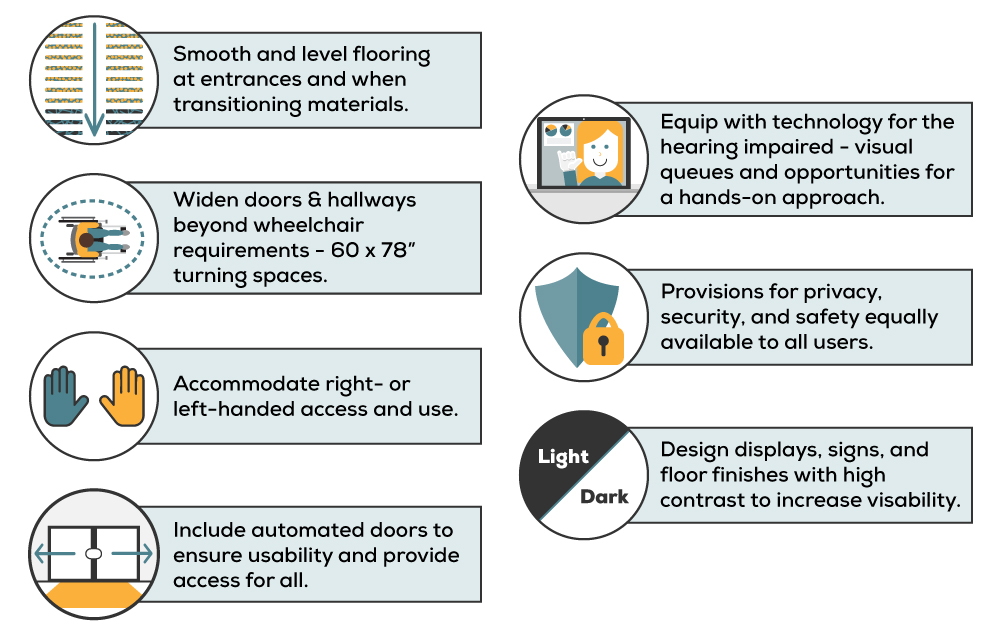
Types of Moral Principles. There are two types of moral principles: absolute and relative. Absolute principles are unchanging and universal. They are based on universal truths about the nature of human beings. For example, murder is wrong because it goes against the natural order of things. These are also sometimes called normative moral.
Universal Design Hub
.png)
Kant's political philosophy is a branch of practical philosophy, one-half of one of the broadest divisions in Kant's thought between practical and theoretical philosophy. Political philosophy is also to be distinguished within practical philosophy from both empirically-based elements and from virtue proper. The separation from virtue is.
PPT KOHLBERG'S SIX STAGES OF MORAL DEVELOPMENT PowerPoint Presentation ID463650
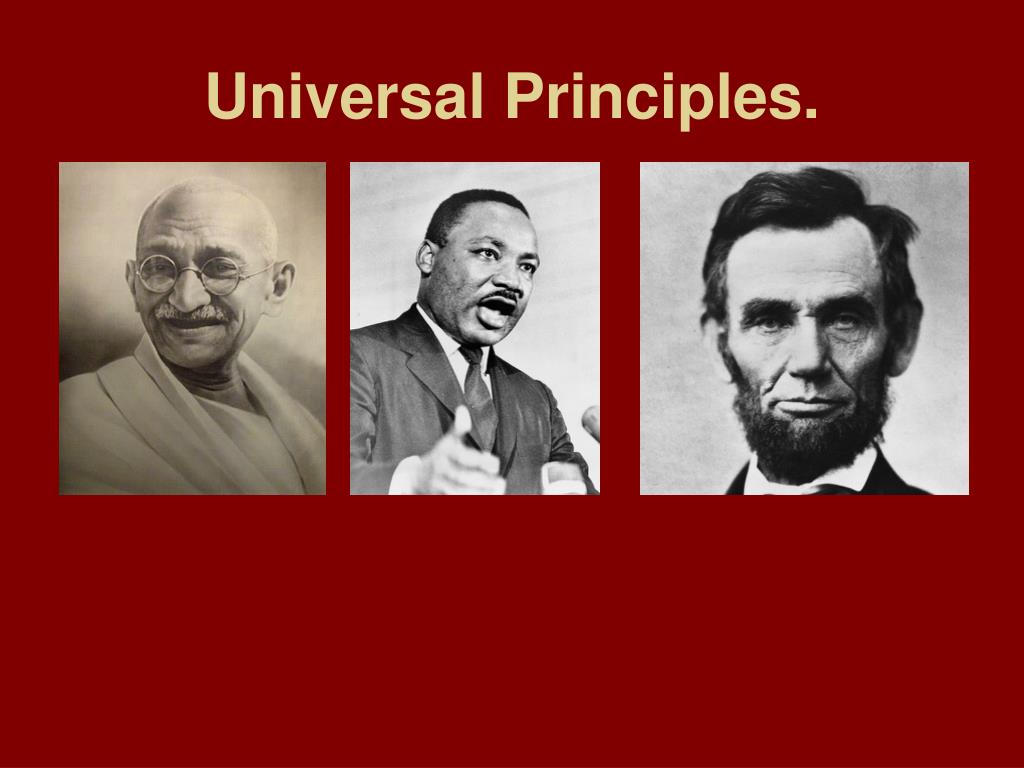
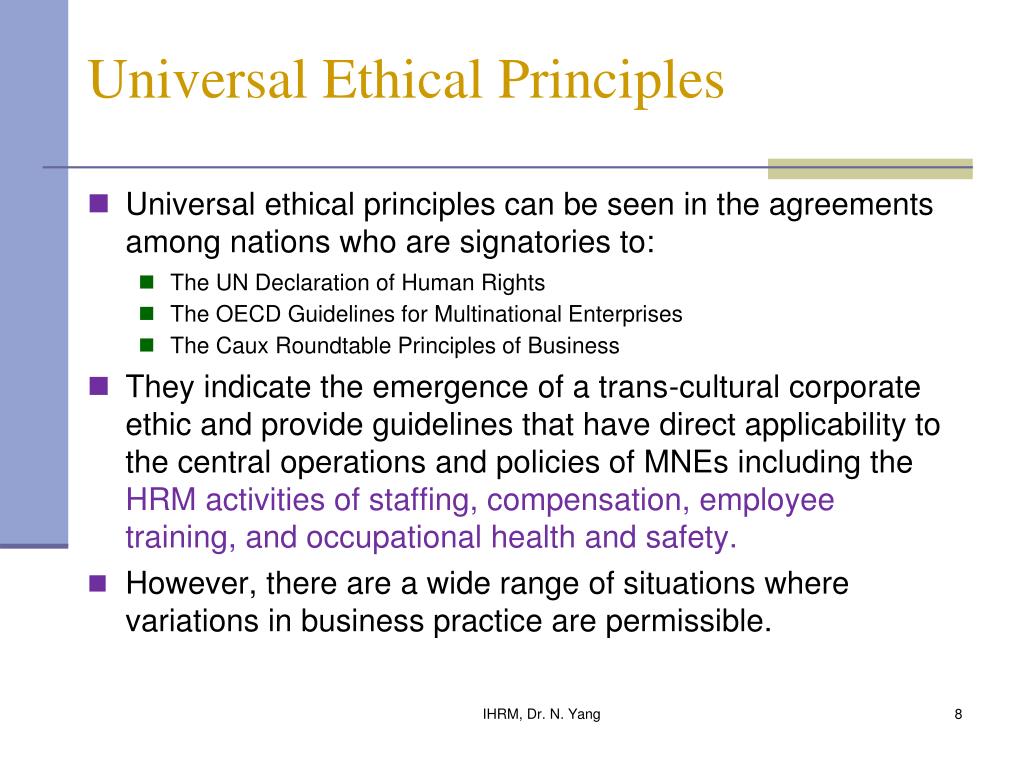
The term "ethics" is also complicated and open to interpretation. Typically, the term "morals" refers to universal principles (Tierney, 1994) or the principles or rules that guide someone's behavior or activities (Wines, 2008).Ethics is seen as a more reflective, affective, and cognitive process, whereby people apply moral principles to specific choices, scenarios, and possibilities.
Universal Principles and Action Steps from The Convergence Magazine by Light on Light Issuu

Defining Universalism. Universalism is a philosophical and ethical concept rooted in the belief that fundamental rights, values, and principles should apply universally to all human beings, regardless of their nationality, race, religion, or social status. It asserts that there are commonalities that bind humanity together, transcending differences and emphasizing our shared humanity.
PPT Chapter 10 PowerPoint Presentation, free download ID6112193
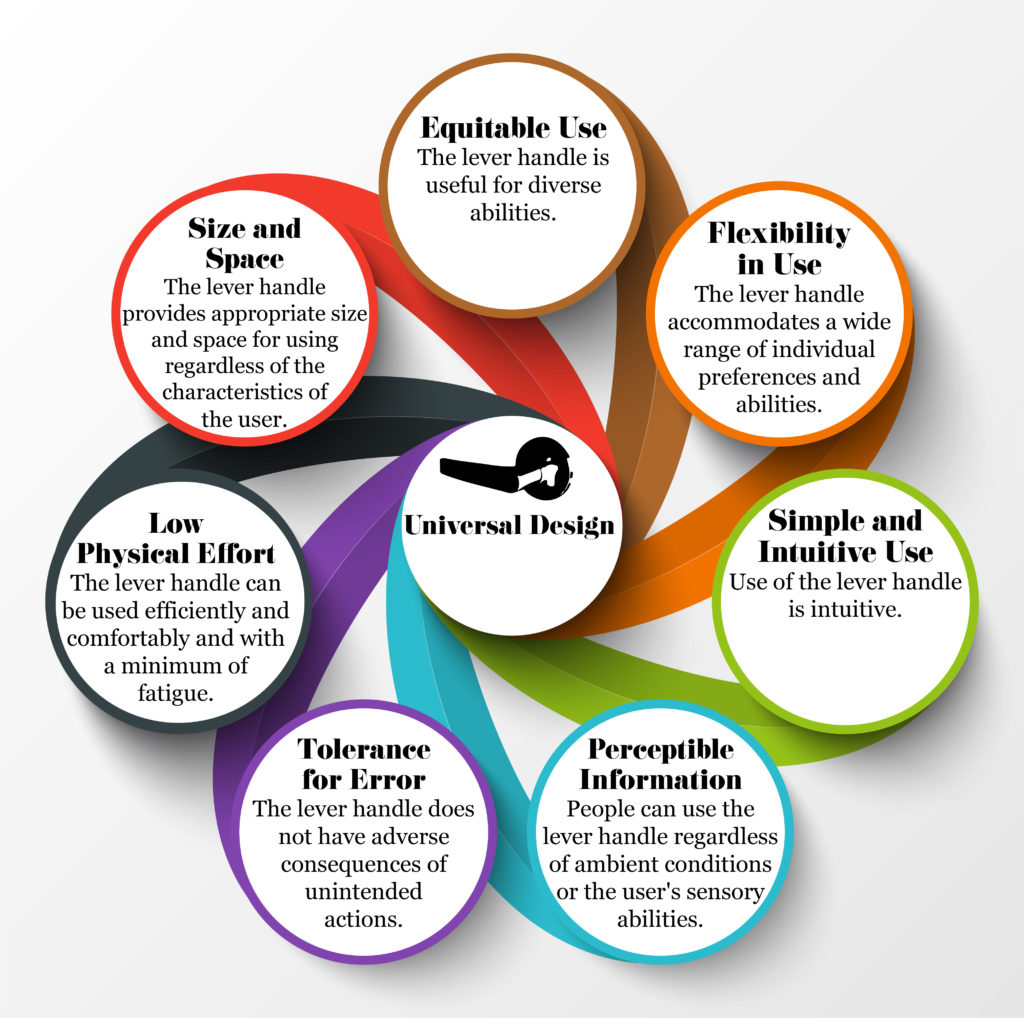
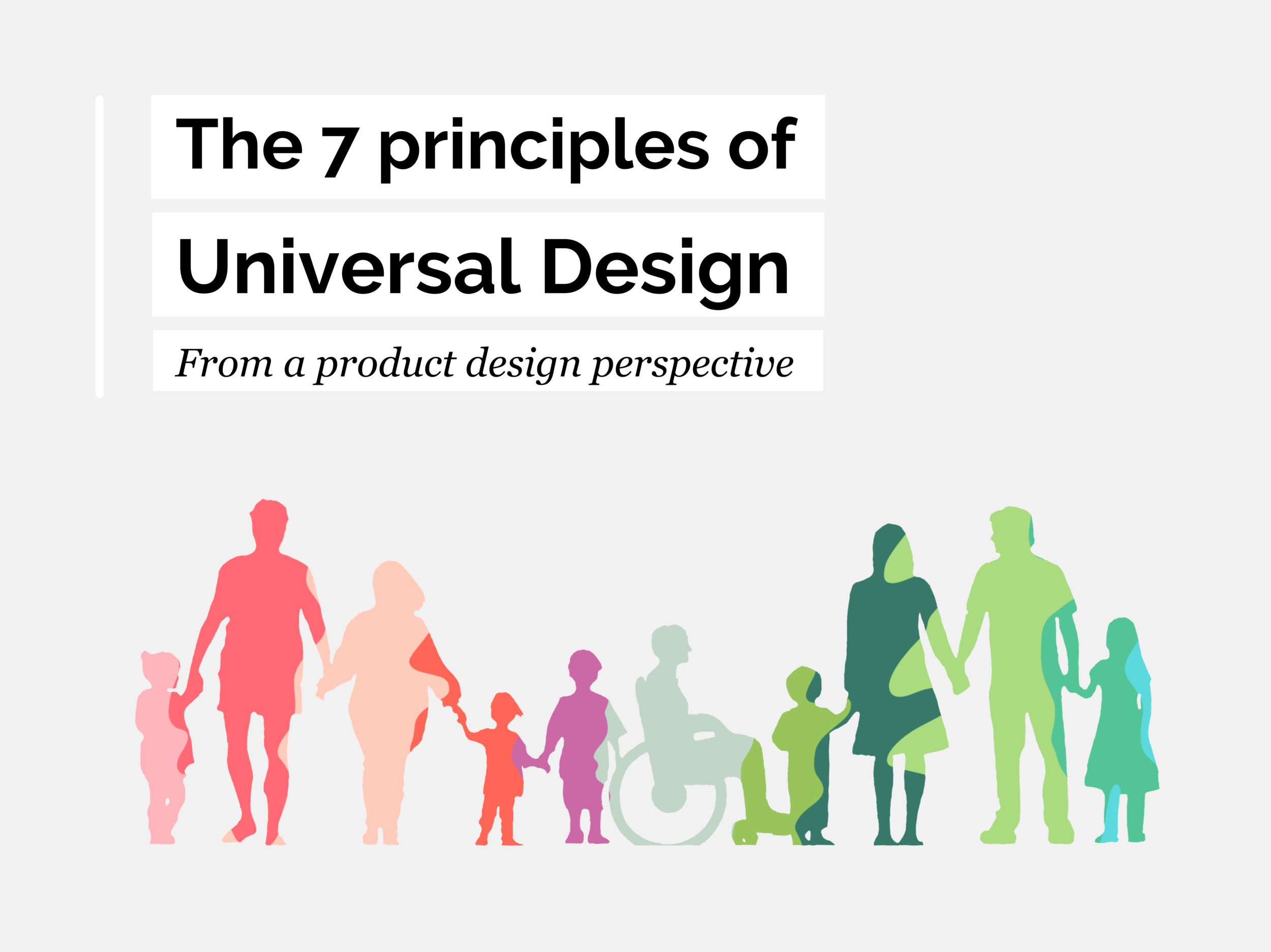
Universal design is an approach for designers to make products and services accessible and usable for the largest possible audience without the need for adaptation or specialized design. Designers use its seven principles to create a solution that can cater to as many users as possible. UX.
12 Universal Laws Spiritual psychology, Spirit science, Spirituality

UNIVERSAL PRINCIPLE definition | Meaning, pronunciation, translations and examples
It is a universal principle that you get more of what you think... Picture Quotes

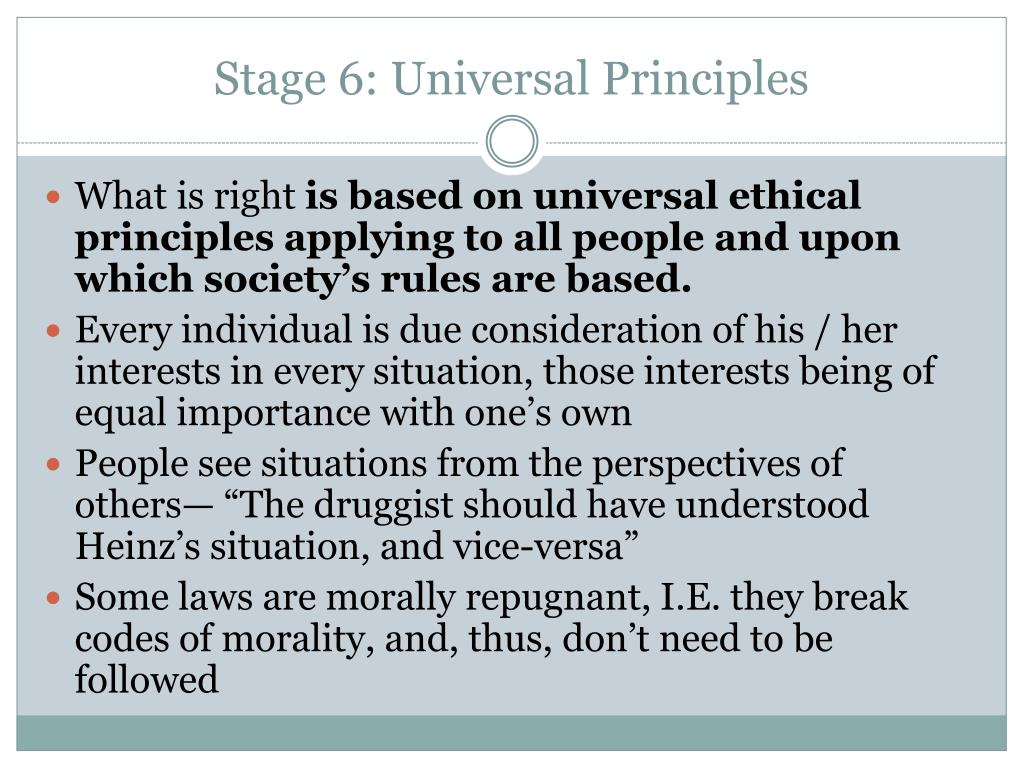
Universal Principles: Moral reasoning is based on universal ethical principles and justice. Heinz should consider non-violent civil disobedience or negotiation with the pharmacist. The decision reflects a conflict between property rights and the sanctity of human life.