The History of Plastic [INFOGRAPHIC] SIMCO Disclosures

The long-term effects of plastics in the food chain are poorly understood. In 2009 it was estimated that 10% of modern waste was plastic,. The resultant horn-like plastic made from casein was developed in cooperation with the Austrian chemist (Friedrich) Adolph Spitteler (1846-1940). Although unsuitable for the intended purpose, other uses.
Who invented man made plastic YouTube

Finally, the wide range of completely synthetic materials that we would recognise as modern plastics started to be developed around 100 years ago: One of the earliest examples was invented by Alexander Parkes in 1855, who named his invention Parkesine. We know it today as celluloid. Polyvinyl chloride (PVC) was first polymerised between 1838-1872.
Who invented plastic, when, and other plastic facts
The first commercially-used synthetic plastic was Bakelite. It was invented by a successful scientist named Leo Hendrik Baekeland. Born in Ghent, Belgium, in 1863, Baekeland immigrated to the United States in 1889. His first major invention was Velox, a photographic printing paper that could be developed under artificial light.
When Was Plastic Invented and Used? A Historical Overview The Enlightened Mindset

The 20th and 21st centuries have justifiably been dubbed the Plastics Age, such is the influence and ubiquity of this family of materials. Plastics pervade all aspects of society. We sleep on plastic-filled pillows, clean our teeth with plastic toothbrushes, type on plastic keyboards, drink and eat food from plastic containers—it's.
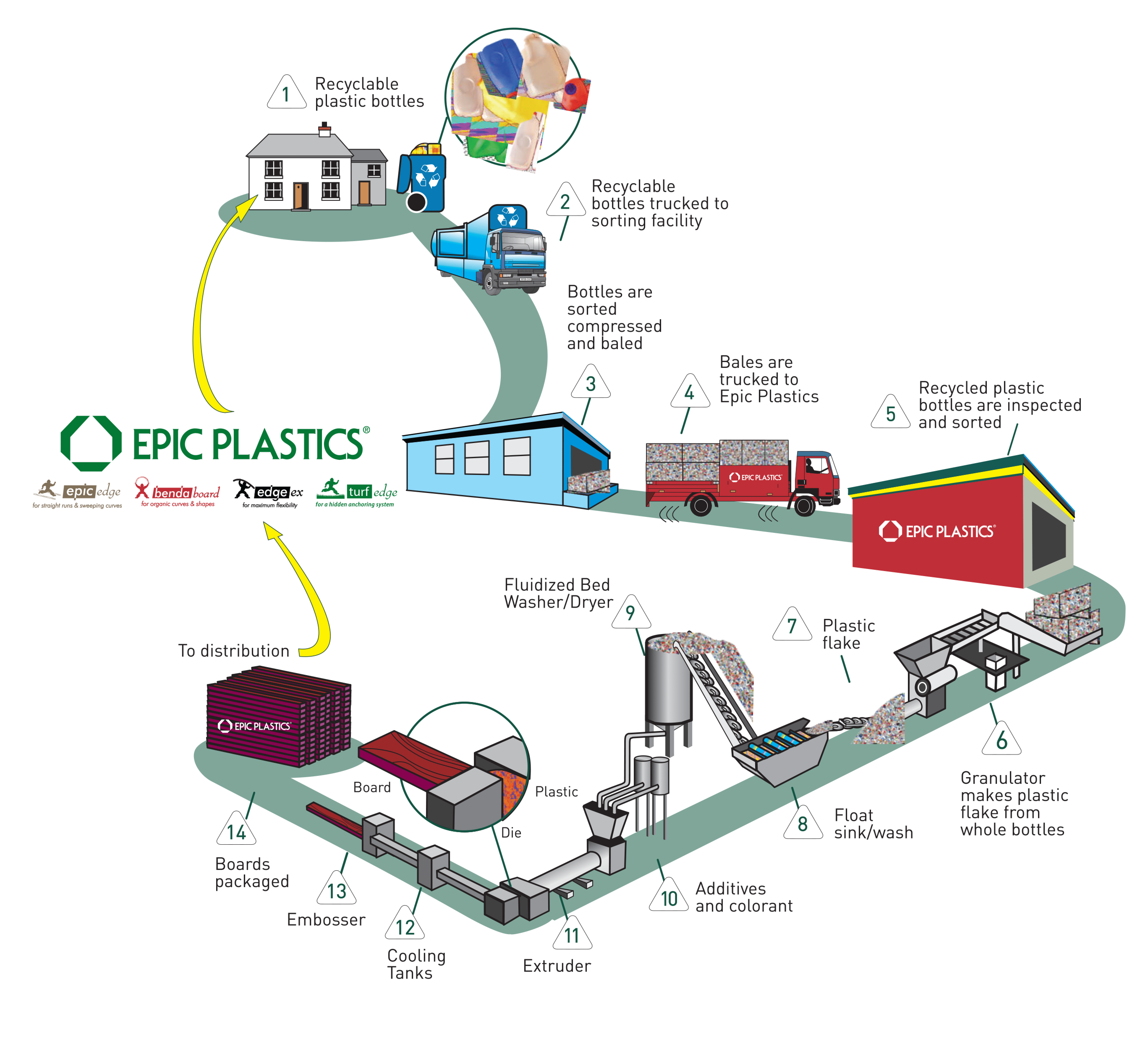
How it’s Made Epic Plastics
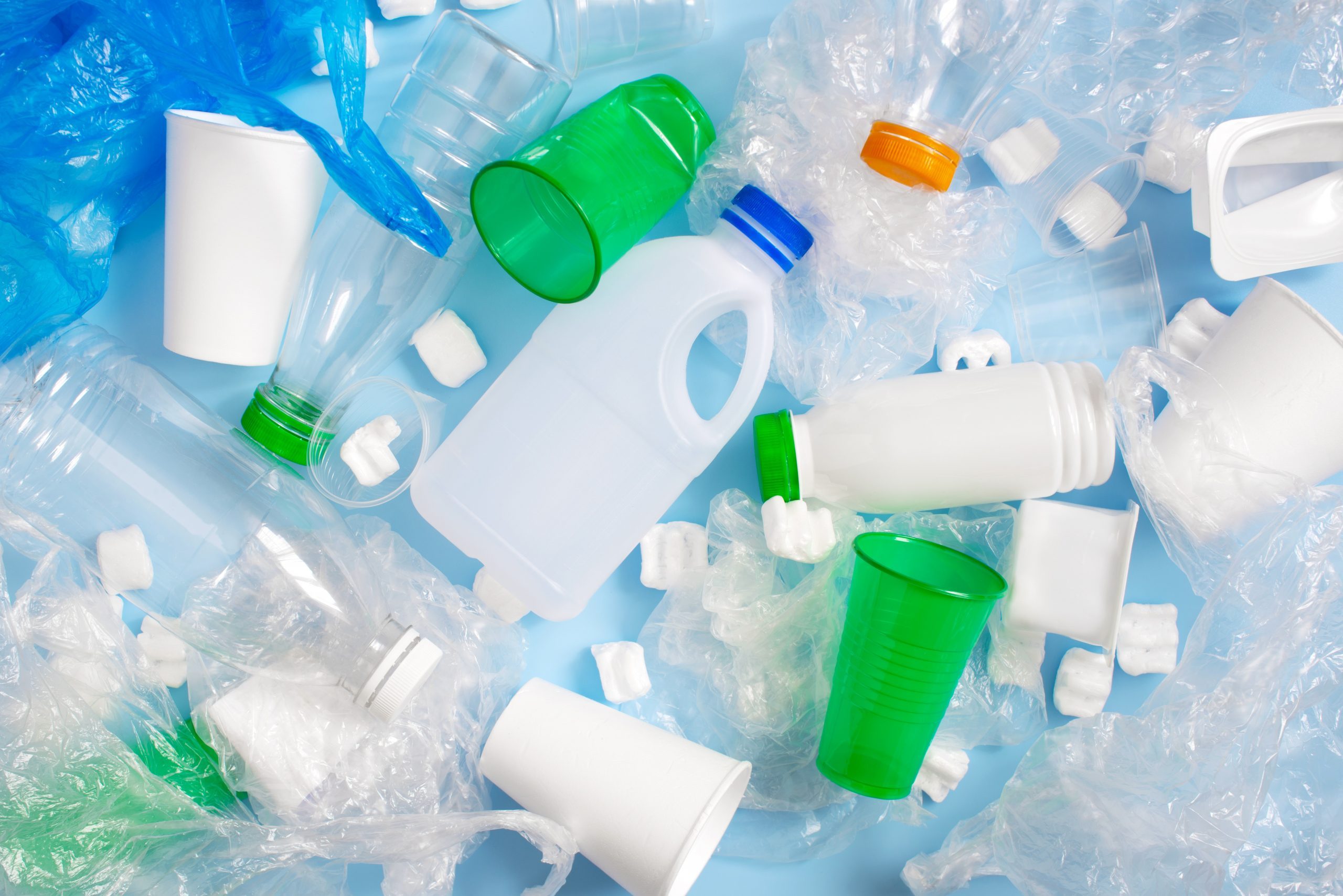
Plastic's reputation fell further in the 1970s and 1980s as anxiety about waste increased. Plastic became a special target because, while so many plastic products are disposable, plastic lasts forever in the environment. It was the plastics industry that offered recycling as a solution. In the 1980s the plastics industry led an influential.
How Is Plastic Made Who Invented Plastic And Its Uses
A technique called blow-molding, invented in the 1930s and based on the same principle as glass blowing, also helped, making a quick way to form plastic bottles.
The History, Benefits, and Future of Plastic Why Was Plastic Invented? The Enlightened Mindset
For centuries, billiard balls were made of ivory from elephant tusks. But when excessive hunting caused elephant populations to decline, they began to look for alternatives. John Wesley Hyatt took up the challenge. In five years, he invented a new material called celluloid, which would become known as the first plastic. Trace the history of the material that ushered in the "plastics century."
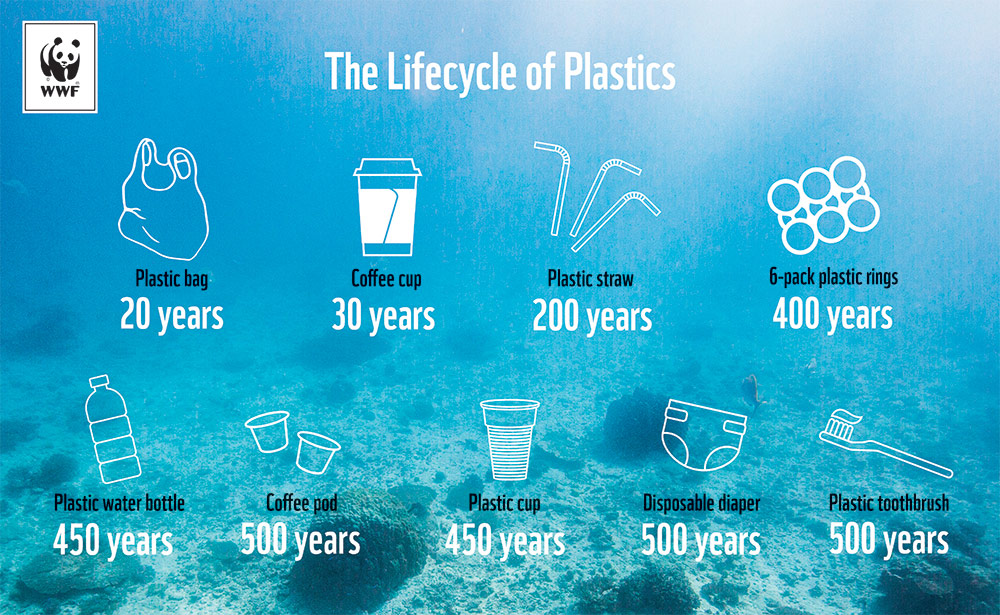
How long do plastics last in the environment? Global Recycle
With the advent of Bakelite, the plastics narrative took a decisive turn. In 1907, Belgian chemist Leo Baekeland created this heat-resistant, durable material—the first fully synthetic plastic. Bakelite's invention was a game changer, introducing a material that was: versatile. durable.
A Brief History Of The Plastic Bag IUCN Water

Eduard Simon, a German apothecary, discovers polystyrene. 1844. Thomas Hancock patents the vulcanization of rubber in Britain immediately followed by Charles Goodyear in United States. [2] 1856. Parkesine, the first member of the Celluloid class of compounds and considered the first man-made plastic, is patented by Alexander Parkes. [3] 1869.
The History Of Plastic Products

It was in 1907 that the first modern plastic, bakelite, was invented. It pointed the way to a whole family of products based on synthetic polymers - that is, compounds of large molecules made up.
How was Plastic Invented ?? History of Plastics Knowledge ki River 🔥🔥 YouTube

Updated on January 28, 2020. The first man-made plastic was created by Alexander Parkes who publicly demonstrated it at the 1862 Great International Exhibition in London. The material, called Parkesine, was an organic material derived from cellulose that, once heated, could be molded and retained its shape when cooled.
What are the 7 Types of Plastic? What is plastic, Types of plastics, Environmental posters

Neil Armstrong plants a nylon flag on the moon in 1969 as plastic starts to become a go-to material in the 1970s. In 1977, the plastic bag was introduced to the grocery industry as an alternative to the paper bag—something we're trying to revert back to 40-plus years later. Production takes a noticeable dip as laws start to be introduced.
History of plastic innovations and plastic production Carbiolice
How Everything Became Plastic. A century ago, stuff was expensive. Back then, people relied on nature to make things: Toothbrushes were made of silver, combs were made of tortoiseshell, and.
Here's What Really Happens to Recycled Plastic Reader's Digest
The creation of Bakelite marked a shift in the development of new plastics. From then on, scientists stopped looking for materials that could emulate nature; rather, they sought "to rearrange.
When Was Plastic Invented? Plastic Expert
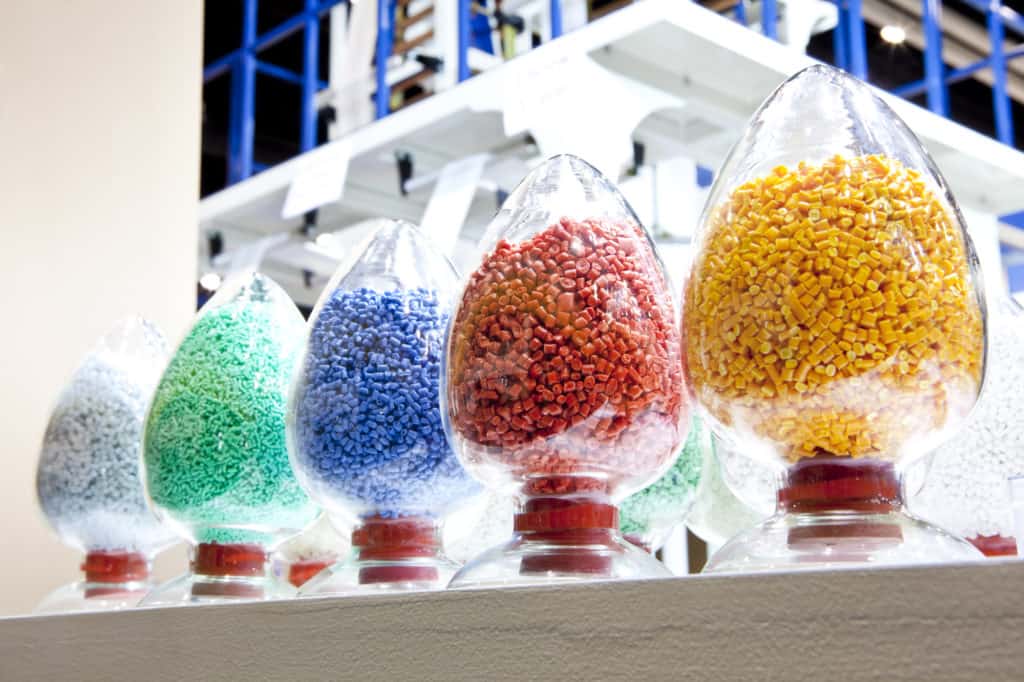
Plastics are polymers, large molecules made of repeating units of smaller molecules (monomers) that are chemically bound together. A polymer is like a chain in which each link is a monomer. All plastic is made of carbon. Man-made plastic uses carbon derived from oil, while biopolymers or bioplastics use carbon derived from natural materials.
When Was Plastic Invented For Commercial Use? A Comprehensive Look At Its History And Impact On

Baekeland used phenol, an acid derived from coal tar. His work opened the floodgates to a torrent of now-familiar synthetic plastics - polystyrene in 1929, polyester in 1930, polyvinylchloride.